
Weeks 1–3
Pain
Calm the irritation down.
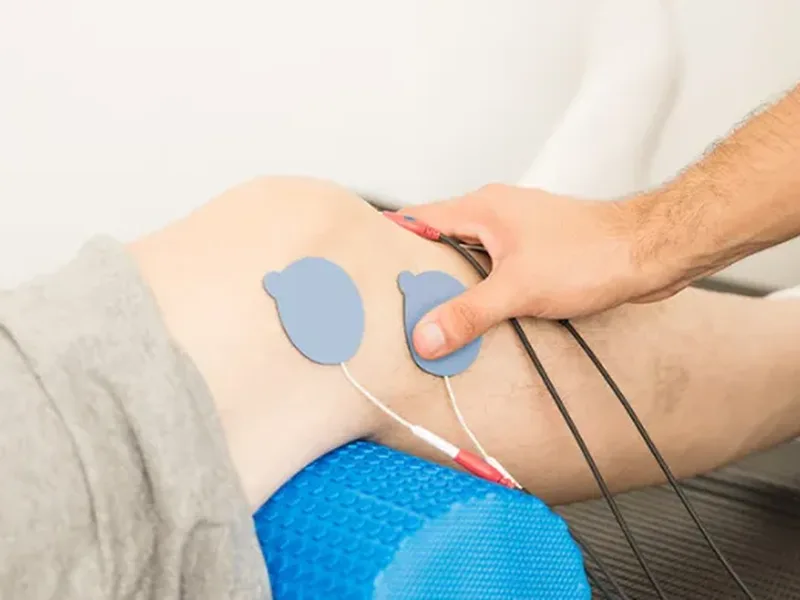
Hands-on techniques and smart load modification take the edge off the tendon without shutting the activity down completely.
What We Treat
That deep, dull ache right at the tendon that flares up the moment you start the same motion again. It’s fixable, and it starts with a cause-first evaluation, not a guess.
Sound Familiar?
Two or more? That’s tendinitis talking, and it’s fixable.
Why It Happens
Tendons are built to handle load, but not the same load, over and over, without enough recovery in between. Tendinitis shows up when the tissue gets asked to do more than it can repair between reps, whether that’s the same swing, the same lift, or the same motion at a desk. Weakness in the muscles around the joint often forces the tendon to take on work it wasn’t meant to carry.
Rest alone rarely fixes it, because the tendon comes right back to the same overload once you resume the activity. A cause-first evaluation finds exactly which movement pattern or muscle imbalance is loading the tendon, so the fix addresses the reason it flared up, not just the flare-up itself.
The Honest Truth
Nobody regrets starting too early. Every week, someone in our clinic says they regret waiting.
How We Fix It
Every plan has an endpoint. Here’s what the four phases look like for a stubborn tendon.
Weeks 1–3
Pain
Hands-on techniques and smart load modification take the edge off the tendon without shutting the activity down completely.
Weeks 3–8
Prime
Progressive loading exercises rebuild the tendon’s tolerance, which is what actually resolves tendinitis long-term.
Weeks 8–14
Perform
Strength and mechanics work fixes the muscle imbalance or movement habit that overloaded the tendon in the first place.
Weeks 14+
Prevent
Your specific motion, swing, lift, or repetitive task gets tested under real load before you’re cleared: that’s the endpoint, not just another appointment.
A great team of physical therapists, focused on the patient and genuinely invested in your progress.
Shared by K Rod · Tendinitis
Week 1: couldn’t grip a coffee mug without wincing
Week 8: back to a full day at the workbench, no brace
Questions, Answered
Usually not. Tendinitis is a soft-tissue overload problem, and imaging often looks normal or shows age-related changes that don’t explain your pain. We start with a hands-on evaluation of how the tendon is loaded and where the imbalance is coming from. If imaging ever becomes genuinely necessary, we’ll help you get it, but you don’t need to wait on a scan to start treatment.
In most cases, yes, with the right modifications. Total rest lets the tendon calm down temporarily, but it comes right back once you resume the activity, because the underlying overload never got addressed. Your therapist figures out how much load your tendon can handle right now and builds it back up safely from there.
Tendinitis often takes a bit longer than a typical strain because tendon tissue heals slowly, but most patients notice real change within the first few weeks. A full plan runs through all four phases, Pain, Prime, Perform, and Prevent, and you’ll always know which phase you’re in and what’s left, not an open-ended string of appointments.
Book Your Visit
Request a time and a real person calls you back, usually within two business hours. No phone tree. No ‘someone will reach out.’ Just a plan.
5.0 · 607 Google reviews
Typical response: under 2 business hours
Step 1 of 6
That’s the hard part done. We’ll call during business hours to lock in your time. Most people are on the schedule same week.
Visit Us